











Region
Cambridgeshire
Stephen Marshall, Policy & Regulation Engineer, Cambridgeshire County Council
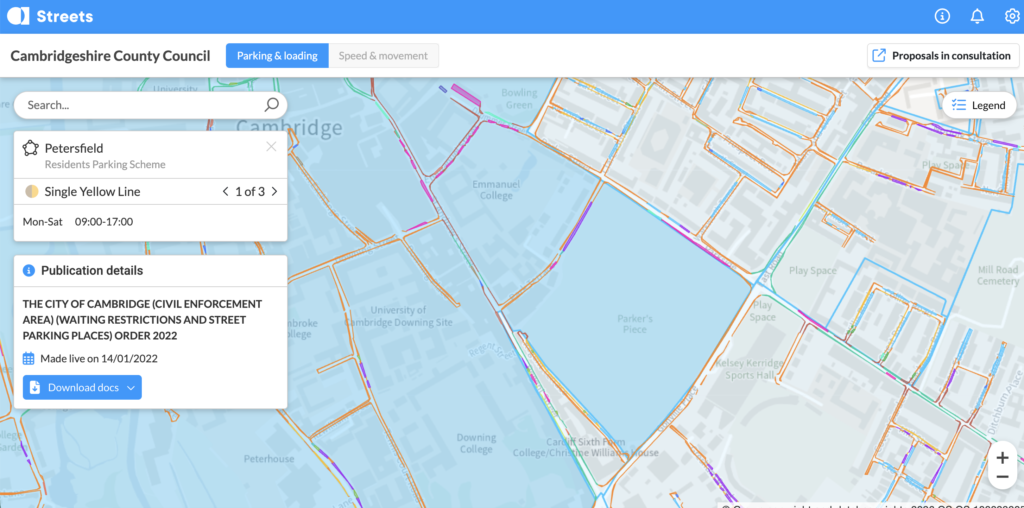
Cambridgeshire County Council, as shown in the Streets Portal
As local authorities prepare for the Department for Transport’s upcoming Digital Traffic Regulation Order (D-TRO) mandate, the operational divide between paper-based legacy workflows and modern, map-based digital systems has never been more apparent. For many councils, the hesitation to transition stems from a fear of overwhelming workloads and data migration bottlenecks.
Cambridgeshire County Council chose a different path. By building upon their digital-first infrastructure and expanding their use of AppyWay’s Traffic Suite, the council has transformed how they manage highways data, design schemes, and engage with the public.
Led by Stephen Marshall, Policy & Regulation Engineer in the Transport & Connectivity department, Cambridgeshire’s positive regulation team is responsible for overseeing the creation, production, and digital mapping of traffic regulations across the county. Here is how they eliminated consultation bottlenecks and unlocked true data transparency.
Before going digital county-wide, Cambridgeshire dealt with a big gap between digitised areas and places still using old, fragmented paper systems. In non-digitised districts, just looking up historical traffic orders to see what restrictions were active on a street was a major time-waster. This headache was worst during public consultations; running big schemes through email or text surveys flooded inboxes with messy feedback that took ages to sort through for committee reports.
On top of that, old-school text or PDF notices often caused confusion when shared on local social media pages. Without a clear map, online groups easily lost context and focused too much on tiny details of a plan. This lack of a clear visual let misunderstandings spread fast because the public couldn’t easily see the bigger picture or the real purpose of the traffic order.
Cambridgeshire’s positive regulation team deployed AppyWay’s comprehensive Consultation and Engagement Modules to bring public discourse into a structured, highly visual environment. The operational shift was instantaneous.
”We relate it back to the consultation portal and by extension the engagement portal - it's worked so well for us! In some instances when we have to use emails for any other consultations, it's just a night and day difference.
Stephen MarshallPolicy & Regulation Engineer, Cambridgeshire County Council
The system provides immediate, concrete advantages to both internal designers and the public:
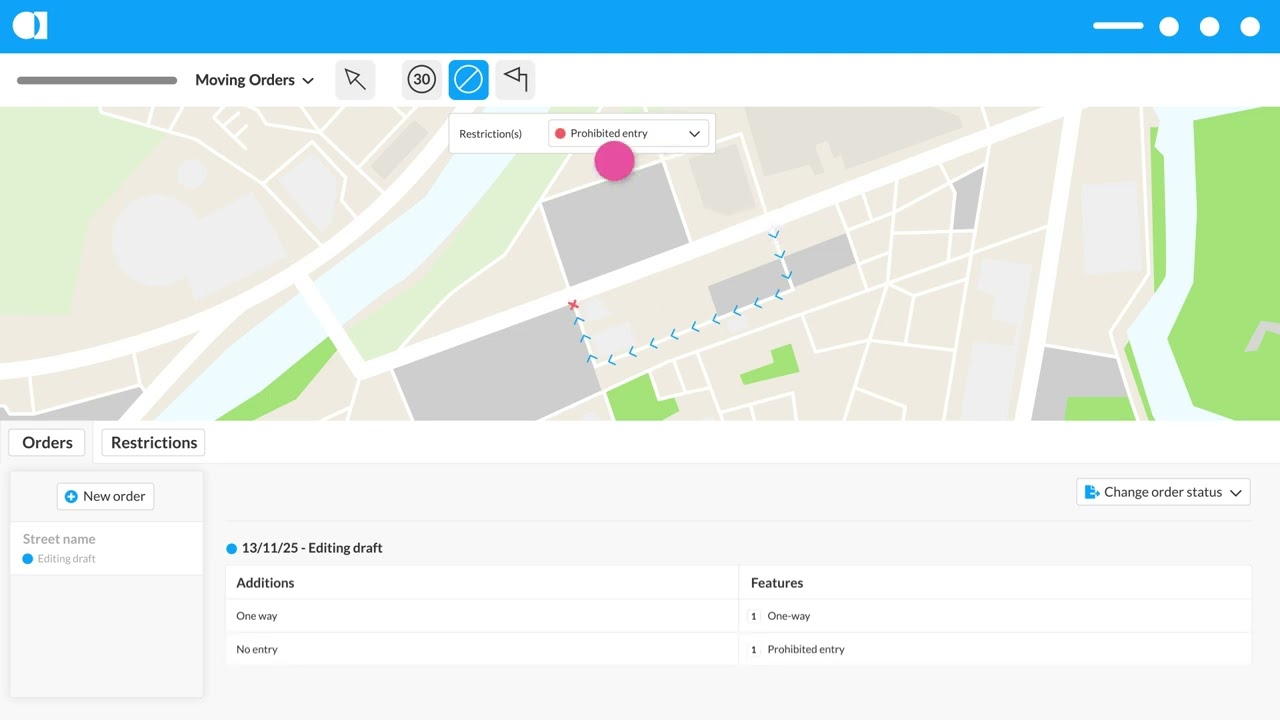
Rapid Iterative Drafting: Operationally, the project team can now draft multiple different iterations of a single scheme quickly. Providing a visual “Option A” and “Option B” helps guide consultees and local parishes smoothly through complex proposals.
At-a-Glance Analytics: Instead of interpreting mountains of unread emails, the team utilises a centralised summary page. At a single glance, engineers can see precisely what percentage of the community supports or objects to a scheme, jump directly into specific objections, and immediately export clean datasets into Excel for formal committee reporting.
Silencing Social Media Chaos: Because AppyWay links generate a concise, interactive, and high-level layout of active plans, parish councils can seamlessly share them directly onto community pages. Residents get a wider, unambiguous view of the restrictions immediately, significantly reducing public friction and misinformation.
The benefits of Cambridgeshire’s digital-first approach have quickly spread beyond the traffic team. By creating a single source of truth for Traffic Regulation Orders (TROs), other internal council departments have drastically improved their own speed.
For example, the Development Management team—which handles local planning applications—frequently needs to check active street restrictions. Instead of wasting time submitting manual requests to highways, staff can now instantly look up any TRO in the area using a single shared link via AppyWay Streets. This internal transparency keeps teams aligned and completely eliminates redundant queries.
For local authorities worried about the workload ahead of the D-TRO deadline, Cambridgeshire proves that going digital doesn’t have to disrupt daily operations.
Working with AppyWay, the council successfully uploaded all its historic data smoothly with zero impact on their active workload. Stephen’s advice to neighboring councils still hesitating to change their legacy processes is simple: get in touch and see how intuitive the system is.
By embracing an interactive, visual traffic order platform, Cambridgeshire has shown that modernising data isn’t just a regulatory chore – it is a massive win for both operational efficiency and clear public engagement.
Get the traffic order suite built for today’s challenges.

Aldwych House,
71-91 Aldwych, London,
WC2B 4HN
© Copyright AppyWay. All Rights Reserved. Privacy Policy | Cookies Policy